On the musical biopic Ken doll-ing its way past its subject’s crimes and what to do when celebrities you admire do bad things.
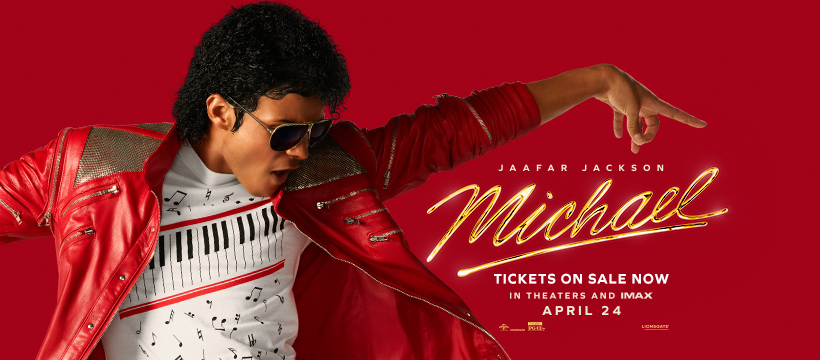
Let’s all ignore the pedophile in the room, shall we? It seems easy enough for Congress to do.
The Michael movie, released April 24th, 2026, knows the exact legacy that precedes it. The film ends in 1988, the same year Jackson purchased Neverland Ranch and five years before the first allegations of child sexual abuse arose against him. The film concludes with a teasing “His story continues…” – leaving up in the air a potential sequel based on critical reception of the film, but the script knows full well what could happen if it goes that route. It’s taken careful effort to set up a story it hasn’t even guaranteed will be told, but — from what it has shown us — we can anticipate what it would look like: a false narrative reliant on reconstructing the truth to glorify a child molester with a halo of best hits and choreography mastered by Michael’s real-life nephew Jaafar Jackson.
I never go into a biopic (especially a music one, and especially after Bohemian Rhapsody) with expectations that a film is going to accurately represent the life or a period of life of its subject. To go into any film adapting an original source material — whether biographic or literary — ready to scrutinize its exactness to the source it is adapting is a quick and easy way to set ourselves up for disappointment. People to this day still let themselves get pissed off that Daniel Radcliffe’s Harry Potter’s eyes are not just like his mother’s even though Radcliffe had an allergic reaction to the green contact lenses he wore the first day on set for the 2001 adaptation of the Philosopher’s Stone.
With Michael, I don’t find it that the film owes its audience an answer to the abuses that happened at Neverland Ranch. Instead, the film seems to patch together an explanation harkening back to the age-old “Michael just loves little kids” excuse that allows people to avoid thinking about why a person who loves children wants to have them alone in his bed with him.
The central focus of the film is Michael’s journey towards independence from his abusive and controlling father Joe Jackson (the original momager — “dadager” doesn’t sound the same). The movie struggles to find any other plot footing outside of Jackson’s tension with his father culminating in his leaving the Jackson 5 at the conclusion of the film (see what I mean about a teasing ending? We know full well there’s another twenty years of Jackson’s life to be told). Again, I don’t expect a music biopic to be anything other than, well, a glorified musical. I don’t mind watching what are essentially concert films with some drama packed in between — as long as I’m having fun in the audience. But the filler between legendary musical moments in Michael becomes deeply problematic and uncomfortable when they make considerable effort emphasize Jackson as a child stuck in a man’s body, with scenes where he plays alone with a pet monkey in his room full of toys and reading Peter Pan on multiple occasions, including to children in hospitals, detailing how he loves the idea of Neverland as an escape from his world.
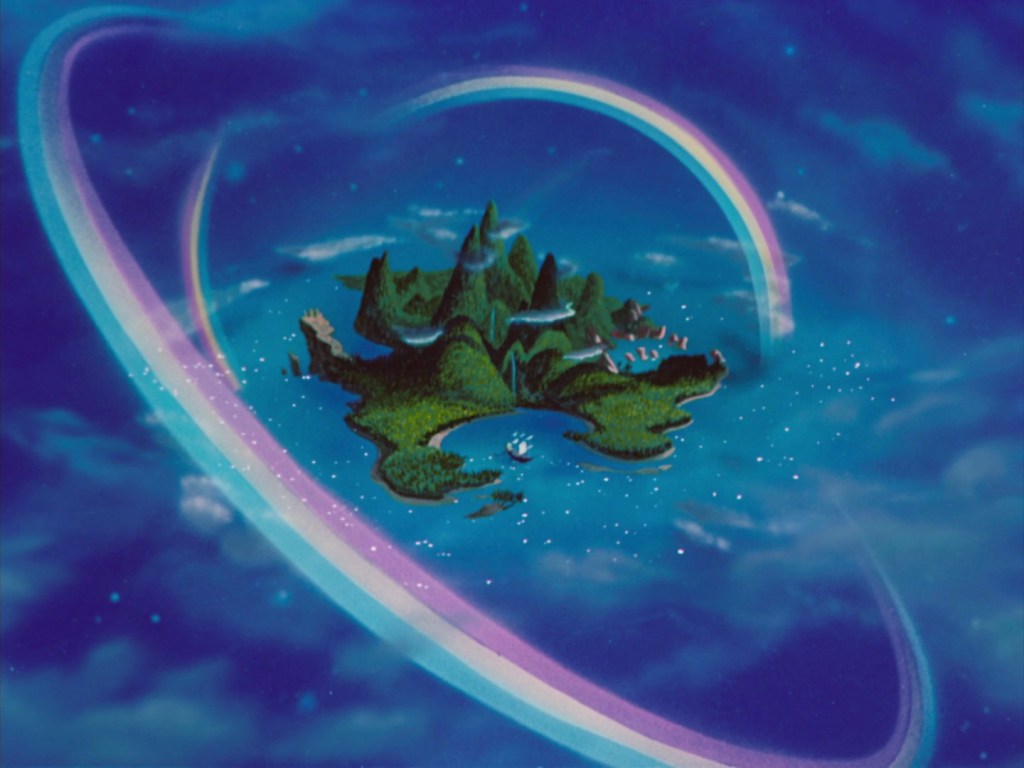
When you are given roughly two hours to fill a film’s run-time, the scenes that make the final cut can reveal a lot about what the film values in its narrative. In this case, Michael is heavy on Jackson having no identity outside of performing, having a “child-at-heart” persona, and clashing with his father. Oh, and having the audacity to name-drop the fictional world he’d name the 2700-acre California property where he’d molest little boys after.
This persona of innocence does, in some ways, embody Jackson as an androgynous, asexual, and eventually racially ambiguous figure crafted for the public eye. However, rather than critically exploring how this in-betweenness made him so marketable or showing the side of Jackson that was, indeed, personally flawed beyond scalp burns or insecurities about his nose, we are presented with a ken doll of a human that does not dare to be anything other than shiny and perfect and painstakingly choreographed.
Jackson’s innocence juxtaposed with the rage of Joe Jackson only becomes a plot crutch to stuff in the gaps it knows a modern audience, knowing what Jackson’s future beholds, will wonder about. But the child-stuck-in-a-man’s-body schtick gets overemphasized, and the film intentionally stops before things become too uncanny or any allegations roll forward. Any further and it may struggle selling its underlying narrative that an adult man doesn’t have to be held accountable for his actions because of the abuse he faced and childhood he never got to have. That we can keep listening to his music because it’s easy to turn our heads away, say Michael just wanted to protect children in the way he couldn’t be protected, and ignore the stories of the boys he sexually abused.
I say this all with the belief that Michael Jackson was a once-in-a-lifetime talent and there will never be anyone quite like him ever again. In the audience of the theater as I watched the scene of Michael where Jackson makes the music video for “Thriller” I felt transported back to the absolute magic of when I was a little kid and my dad introduced me to Michael Jackson for the first time – including the nightmares and lifelong love for all things Vincent Price that music video gave me. But special memories don’t overshadow his victim’s stories and the fact that Jackson hurt people in some of the sickest ways you can be hurt, and this pain has only been further amplified by the actions of his estate and loyal fanbase which have continued to cause harm to his victims, now all adults. In our imaginative construction of Michael Jackson and all of his undeniable talent and cultural influence, we also have to make room for the fact that he sexually abused children.
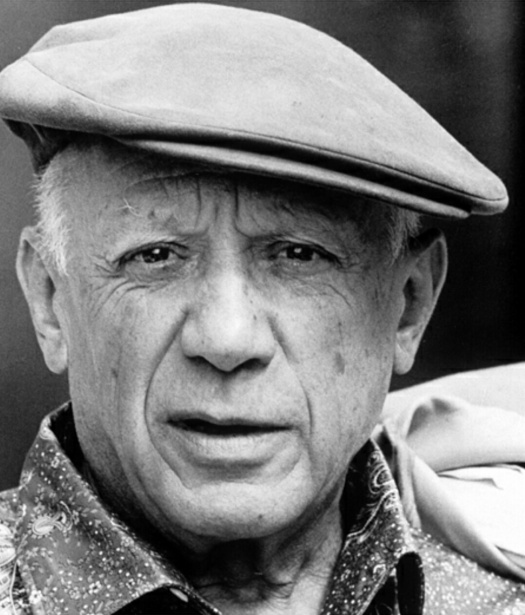
But where does this leave us? In navigating the landscape of Chris Browns and Crystal Castles – where there is clear line between simply “cancelled” artists and outright abusers – where do we go when we genuinely enjoy the art, but fundamentally and vehemently disagree with the actions of the artist (I ask this as “Diddy” by Diddy & The Neptunes has been my go-to good mood song since I was sixteen)? I don’t have a definitive answer, but I will share this quote I read last month that resonated with me: on Picasso, a famous jackass, Claire Dederer writes, “Consuming a piece of art is two biographies meeting: the biography of the artist that might disrupt the viewing of the art; the biography of the audience member that might shape the viewing of the art.”
When consumption remains ever difficult to accomplish ethically, I think its important to both recognize what you can and can’t control. Denial or willful ignorance on a subject that prompts discomfort is not a strategy that will accomplish any good, but I argue to cut yourself off completely from art that brings you joy because of the artist does not accomplish much good either. The consumption of art is not as much in line with agreeance with the artist as it is “hey, this piece of art makes me feel something and it happens to be made by this person who was or is, regrettably, shitty.”
In an ideal world where everyone would have heaps of privilege and accessibility to alternatives, ethical consumption would be a legitimate option to expect of everyone (I’m looking at you, Billie Eilish — critic of meat-eating animal lovers while simultaneously possessing a multi-million dollar net worth that makes veganism affordable). The reality, though, is that joy can be sparing. The billionaire class thrives off of the working class fighting culture wars about which celebrities you should and shouldn’t support. As long as people continue to deplete their happiness policing themselves and others for the ethics of their consumptive behaviors, the elite will continue to siphon resources away from the working class until all choice in consumption is deprived and we all have to finally admit our wealth — both in time and money — has been spent towards bad causes.
In the meantime, I’d like to remind us all that what we bring to the table with art is allowed to be messy and complicated. You can exclaim “Billie Jean is not my lover!”, have this song prompt guilt and excitement and the urge to dance all at once, and continue to go on finding ways to consume art in ways that you can manage. I’d like to remind us all that we are allowed to be nuanced in our opinion and not have a definitive answer for how we feel about things. I still don’t know how I feel about consuming art by people that have committed inexcusable harms (why’d you have to be a transphobe, J.K. Rowling?!).
While I course do not believe you need to have a defense prepared to enjoy Michael Jackson while being aware of how despicable he was, I also believe its still important to always critically reflect on our joy – where it comes from and our privileges in possessing it – to allow us to identify where we can do our part in expanding it to others.
 S.L. Kletz
Leave a comment